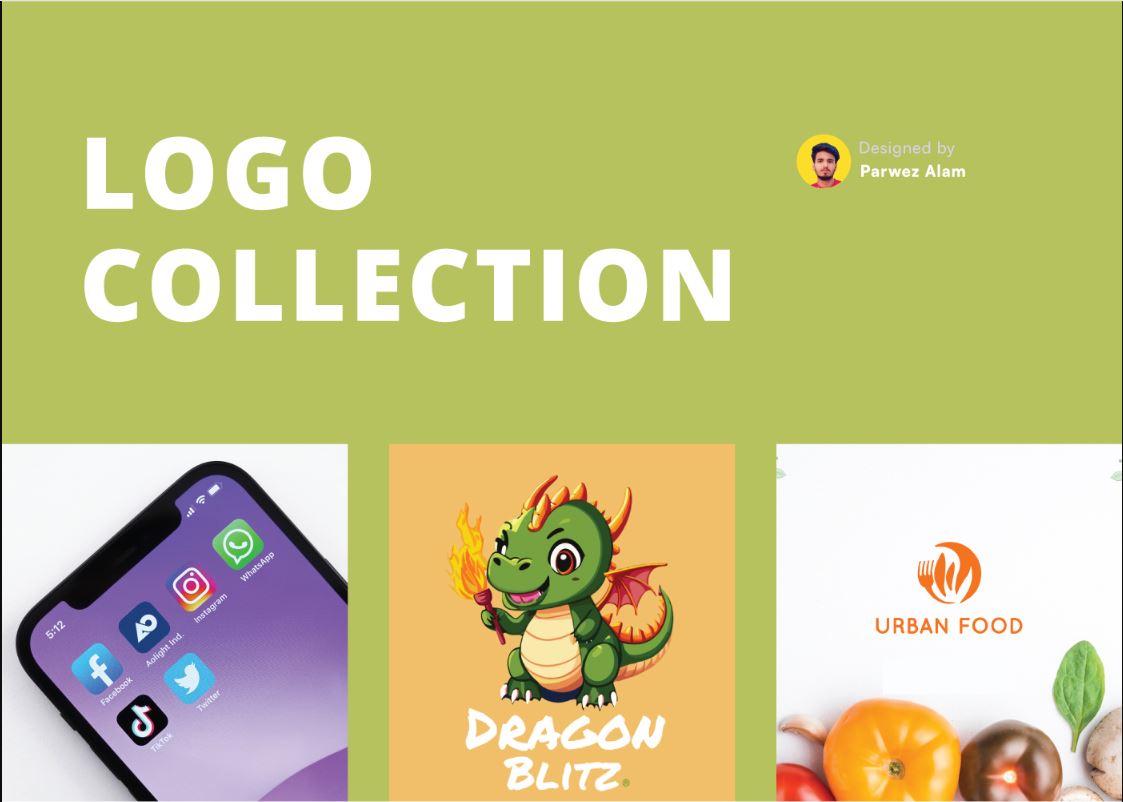
A logo is a graphic mark, emblem, or symbol used to represent a company, brand, or organization. It serves as a visual identifier that distinguishes a business from others and communicates its identity, values, and message in a simple, memorable way. Logos are often the first point of contact for potential customers, making them crucial in establishing brand recognition and trust.Brand Identity: A logo is the cornerstone of your brand identity. It visually represents what your brand stands for and helps to convey its mission, values, and personality. A well-designed logo creates an immediate connection between the brand and its audience.First Impressions: Your logo is often the first interaction a customer has with your brand. A professional and memorable logo can create a strong first impression, which is critical in attracting attention and making a lasting impact.Brand Recognition: Logos are powerful tools in building brand recognition. Over time, a recognizable logo helps customers easily identify your brand among competitors. Consistent use of your logo across various platforms (website, social media, packaging, etc.) strengthens its association with your business.Differentiation: In a crowded market, a unique logo helps differentiate your brand from competitors. A distinctive design can make your brand stand out and increase your visibility, making it easier for customers to remember and choose your brand.Professionalism and Trust: A thoughtfully designed logo signals professionalism. It shows that you care about the visual identity of your brand and have invested time and resources into creating a strong foundation. A strong logo builds trust and credibility, as it reflects the quality and reliability of your business.Consistency: A logo is an essential element in maintaining brand consistency. It ties together all aspects of your marketing, advertising, and digital presence. Consistent use of your logo across all materials reinforces the cohesiveness of your brand and makes it more recognizable.Emotional Connection: Logos can evoke emotions. The design, colors, and shapes used in a logo can influence how customers feel about a brand. For example, warm colors like red and yellow can evoke excitement or energy, while blue can convey trust and reliability.Scalability: A good logo is scalable, meaning it should look great in various sizes and applications—whether it's on a business card, billboard, or social media profile. A well-designed logo remains effective and recognizable, no matter the size or format.Key Elements of a Good Logo:Simplicity: The best logos are simple and easy to understand. Overly complex designs can confuse customers and make it difficult to remember your brand.Memorability: A good logo should be easy to recognize and recall. It should stand out and remain in the audience's mind after just a quick glance.Timelessness: A successful logo should have a timeless quality, meaning it doesn’t rely on trends and remains relevant and effective for years to come.Versatility: A good logo works across various media and applications. Whether printed in black and white, displayed on a website, or embroidered on merchandise, it should maintain its integrity.Relevance: The design, colors, and typography used in a logo should be relevant to the business it represents. It should reflect the brand’s core values and the industry it belongs to.Conclusion:A logo is not just a design; it’s a powerful tool that represents the essence of a brand. It plays a significant role in building brand recognition, establishing trust, and differentiating a business in a competitive marketplace. A well-crafted logo can elevate a brand’s presence, create an emotional connection with its audience, and stand the test of time, making it a vital part of any successful business strategy.
Personal Work
1 month
Logo Design